
LISTEN ON SPOTIFY
LISTEN ON APPLE
For decades, women have been told their symptoms are “just hormones,” while much of modern medicine has been built on research conducted primarily in men. The result? Countless women have struggled with delayed diagnoses, unexplained medication side effects, and confusion around their own bodies.
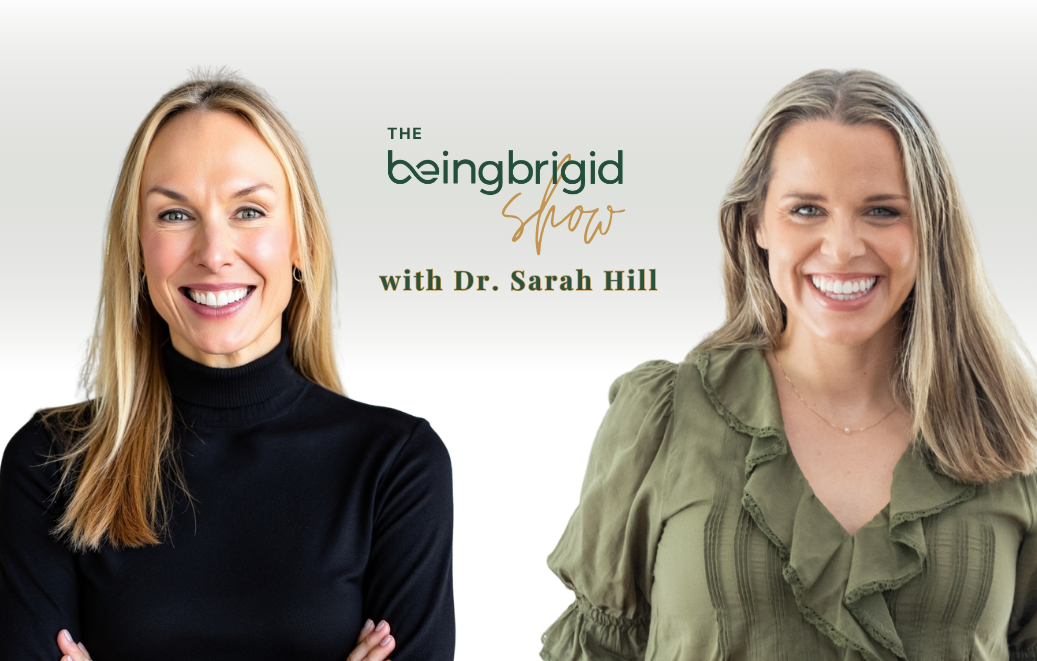
Brigid sits down with award-winning research psychologist and bestselling author Dr. Sarah E. Hill to explore the science behind hormonal birth control, the menstrual cycle, and why understanding your hormones can completely change the way you approach your health.
Whether you’re navigating hormonal birth control, perimenopause, blood sugar challenges, or simply want a deeper understanding of your body, this conversation offers evidence-based insights that can help you make more informed decisions and feel empowered in your health journey.
What You’ll Learn In This Episode:
- Why women have historically been underrepresented in medical research
- How hormonal birth control works—and what it does to your brain and body
- The surprising connection between estrogen and energy, libido, confidence, and attraction
- What happens when you stop taking hormonal birth control
- How progesterone affects mood, cravings, gut health, and stress sensitivity
- Why blood sugar and insulin sensitivity change throughout your menstrual cycle
- Nutrition strategies to support hormone health during the second half of your cycle
- The role of walking, stress management, and recovery in supporting healthy ovulation
- The important differences between hormonal birth control and menopausal hormone therapy (HRT)
Timestamps:
- 00:00 Introduction to Functional Nutrition and Women’s Health
- 01:23 The Historical Oversight in Women’s Medicine
- 06:06 Personal Journey: The Impact of Hormonal Birth Control
- 09:01 Understanding Hormonal Birth Control Mechanisms
- 14:11 The Disconnect in Modern Medicine Regarding Birth Control
- 19:03 Navigating Life After the Pill
- 23:26 Attraction Dynamics: The Pill’s Influence on Partner Choice
- 31:26 Men’s Attraction to Women: The Role of Hormones
- 37:33 The Invisible Luteal Phase
- 40:09 Understanding the Menstrual Cycle
- 44:57 Symptoms of the Luteal Phase
- 57:07 Nutrition and Insulin Sensitivity
- 01:01:06 Stress and Hormonal Health
- 01:07:05 Hormone Therapy vs. Birth Control
- 01:10:35 Resources and Further Learning
Why Women’s Health Research Has Fallen Behind
For years, medical research largely treated women as smaller versions of men, often excluding them from studies because fluctuating hormones were considered too complex. As Dr. Hill explains, this has contributed to gaps in our understanding of female physiology, delayed diagnoses, and medication side effects. Recognizing these differences is essential for improving women’s health and hormone care.
How Hormonal Birth Control Changes More Than Pregnancy Prevention
While most women know birth control prevents ovulation, fewer understand what that means biologically. Dr. Hill explains that hormonal birth control suppresses natural hormone production, creating a flatter hormonal environment instead of the normal rise and fall of estrogen and progesterone throughout the menstrual cycle. Because these hormones influence mood, libido, energy, and cognition, the effects may extend beyond reproductive health.
Can Birth Control Affect Attraction and Relationships?
Dr. Hill’s research explores how hormones influence attraction and partner preferences. Some studies suggest that hormonal birth control may alter natural attraction patterns by suppressing cyclical hormonal changes. While some women report differences after stopping the pill, Dr. Hill notes that hormones may subtly influence preferences rather than dramatically change them.
Understanding the Luteal Phase: Why You Feel Different Before Your Period
The luteal phase is often associated with fatigue, cravings, mood changes, and bloating. According to Dr. Hill, these changes reflect the body’s preparation for a potential pregnancy. As progesterone rises, energy needs increase, gut motility slows, emotional sensitivity may heighten, and cravings often become more noticeable. Understanding these shifts can help women work with their bodies instead of against them.
Blood Sugar, Insulin Sensitivity, and Nutrition Throughout the Menstrual Cycle
Dr. Hill explains that insulin sensitivity naturally decreases during the luteal phase, which can lead to higher blood sugar responses and increased hunger. She recommends focusing on protein, fiber-rich foods, and honoring increased energy needs rather than fighting cravings. For women using a Continuous Glucose Monitor (CGM), these monthly patterns can offer valuable insights into personalized nutrition.
Why Chronic Stress Can Disrupt Ovulation
Chronic stress, illness, and under-eating can all suppress ovulation. Since ovulation is necessary for healthy progesterone production, ongoing stress may contribute to hormone imbalances and irregular cycles. Supporting hormone health starts with adequate nourishment, recovery, and stress management.
Simple Strategies to Support Hormone Health
One of Dr. Hill’s favorite recommendations is simple: take a morning walk. Walking outdoors shortly after waking can support the nervous system, reinforce healthy circadian rhythms, and improve stress resilience. Combined with balanced nutrition and recovery, these habits can help support long-term hormone health.
Hormonal Birth Control Is Not the Same as Hormone Replacement Therapy
Dr. Hill emphasizes that hormonal birth control and hormone replacement therapy (HRT) serve very different purposes. While birth control suppresses natural hormone production, HRT is designed to replace hormones that naturally decline during menopause. Understanding this distinction can help women make more informed decisions about their health.
Resources & Links:
+ Watch the full episode on YouTube
+ Dr. Sarah’s Website
+ Dr. Sarah’s Instagram
+ Dr. Sarah’s Podcast (The XX Lab)
+ Join The Being Collective
+ Brigid’s Website
+ Brigid’s Instagram
Related
Why Women Feel Different Throughout the Month — The Science Explained with Dr. Sarah E. Hill
MORE ENERGY, FEWER CRAVINGS, BETTER BLOOD SUGAR BALANCE—IN JUST 7 DAYS.
Sign up to get:
✓ A done-for-you 7 day meal plan full of dietitian-tested, blood-sugar–friendly recipes
✓ Coaching calls with me and my team of Registered Dietitians
✓ Support + accountability inside our private community
✓ Science-backed strategies that help you feel the shift
Sign up for The Blood Sugar Reset today!
This 7-day live, guided nutrition program is for you if you’re tired of afternoon crashes, sugar cravings, and feeling "off".
Resources
Join 30,000+ subscribers getting expert guidance to optimize their health and prevent chronic disease
sign up for our newsletter
Free, weekly insights from Brigid to help you feel like yourself again
Explore
 take the quiz