
LISTEN ON SPOTIFY
LISTEN ON APPLE
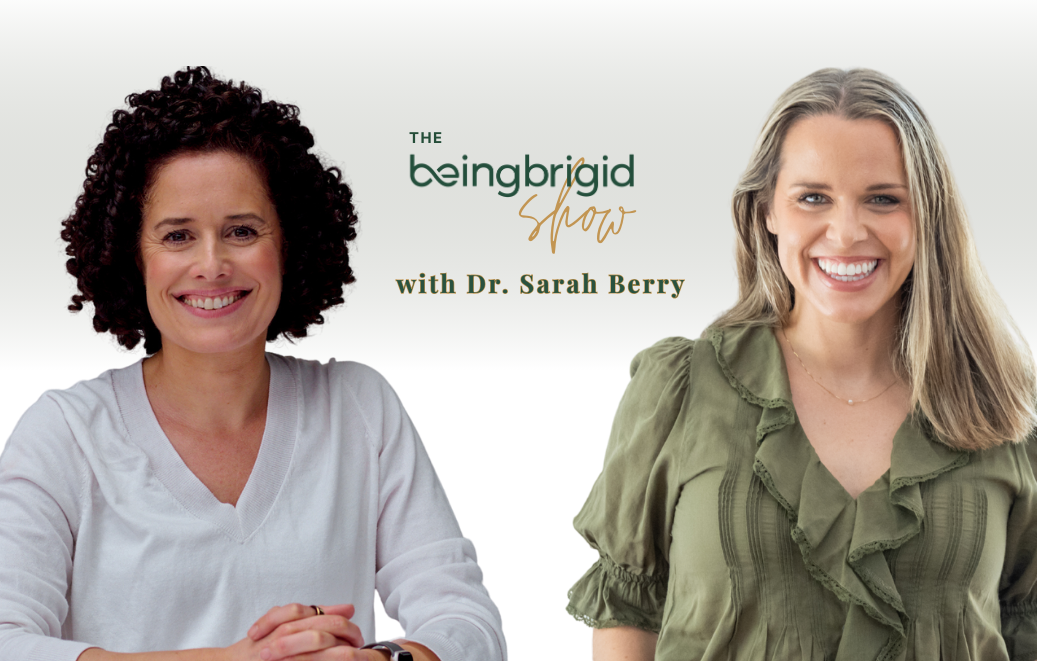
What if the reason calorie counting has never worked for you isn’t a lack of willpower—but outdated science? In this episode, Brigid sits down with world-renowned nutrition scientist Dr. Sarah Berry to unpack why all calories are not created equal, how blood sugar dips (not spikes) drive hunger, and why menopause fundamentally changes how women metabolize food.
What You’ll Learn In This Episode:
- Why calorie counting often backfires—especially for women
- How blood sugar dips increase hunger, cravings, and fatigue
- What the food matrix is and why whole foods matter more than labels
- How ultra-processed foods change metabolism and fullness
- Why menopause alters blood sugar, insulin sensitivity, and gut health
- How to build balanced meals without cutting carbs
- The role of the gut microbiome in hormones, inflammation, and metabolism
- Why how you eat matters just as much as what you eat
Timestamps:
- 00:00 Introduction to Functional Nutrition and Guest Introduction
- 01:38 The Flaws of Calorie Counting
- 06:36 Understanding Weight Loss and Maintenance
- 12:02 Blood Sugar Dynamics and Satiety
- 18:00 The Importance of Food Structure
- 27:21 Smoothies and Their Impact on Satiety
- 31:32 The Significance of Eating Habits
- 39:21 The Order of Eating and Its Effects
- 49:28 The Interconnection of Gut Health, Inflammation, and Insulin Resistance
- 54:10 Menopause and Changes in Gut Microbiome
- 01:01:47 Practical Tips for Managing Blood Sugar Post-Menopause
Why Calorie Counting Is Failing Women
Calorie counting often fails women because the body does not respond to restriction in a linear way. Chronic calorie reduction increases hunger hormones, slows metabolism, and encourages energy conservation. While short-term weight loss may occur, most women regain the weight, making this approach unsustainable. Long-term women’s health requires focusing on food quality, blood sugar balance, and consistency rather than strict calorie tracking.
Blood Sugar Dips Are Driving Hunger, Cravings, and Fatigue
Blood sugar dips, not just spikes, are a major driver of hunger and low energy. These dips often happen a few hours after eating refined carbohydrates without protein, fat, or fiber. When blood sugar drops, cravings increase and energy declines, leading to overeating later in the day. Balanced meals help stabilize blood sugar and support more consistent energy and appetite control.
The Food Matrix: Why Structure Matters More Than Calories
The food matrix describes the physical structure of food and how it affects digestion and metabolism. Whole foods maintain their natural structure, which slows digestion and increases fullness. Processing breaks down this structure, making foods easier to overconsume and more disruptive to blood sugar. This explains why ultra-processed foods are linked to inflammation and metabolic dysfunction.
Menopause, Hormones, and Changes in the Gut Microbiome
Hormonal changes during perimenopause and menopause significantly affect metabolism and gut health. Declining estrogen is associated with higher blood sugar responses, increased inflammation, and shifts in the gut microbiome. These changes can contribute to weight redistribution and lower energy. Personalized nutrition strategies can help support blood sugar, gut health, and hormone balance during this transition.
How You Eat Matters as Much as What You Eat
Eating behaviors play an important role in metabolic health. Slowing down meals improves fullness and reduces intake without restriction. Meal timing also matters, with earlier eating supporting better blood sugar regulation than late-night meals. Consistency in eating patterns helps stabilize energy and appetite.
Sweeteners, Sugar, and Gut Health
Sweeteners affect the body differently depending on the type used. Some artificial sweeteners may negatively impact the gut microbiome, while others appear less disruptive. However, relying on sweeteners can reinforce cravings for sweetness. Reducing overall sweetness exposure supports better blood sugar stability and gut health.
The Takeaway: Food Is Medicine Without Fear or Perfection
Health is not built through restriction or perfection. Food is medicine, but it should also be enjoyable and sustainable. By focusing on blood sugar balance, gut health, and consistency, women can support energy, hormone health, and longevity at any stage of life.
Resources & Links:
+ Watch the full episode on YouTube
+ Brigid’s Website
+ Brigid’s Instagram
+ Dr. Sarah’s Instagram
+ ZOE’s Instagram
+ ZOE’s Website
+ Join the ZOEverse
+ Get your MenoScale Score
Related
Why Calorie Counting Is Failing Women: Blood Sugar & Hormone Science with Dr. Sarah Berry
Resources
Join 30,000+ subscribers getting expert guidance to optimize their health and prevent chronic disease
sign up for our newsletter
Free, weekly insights from Brigid to help you feel like yourself again
Explore
 take the quiz